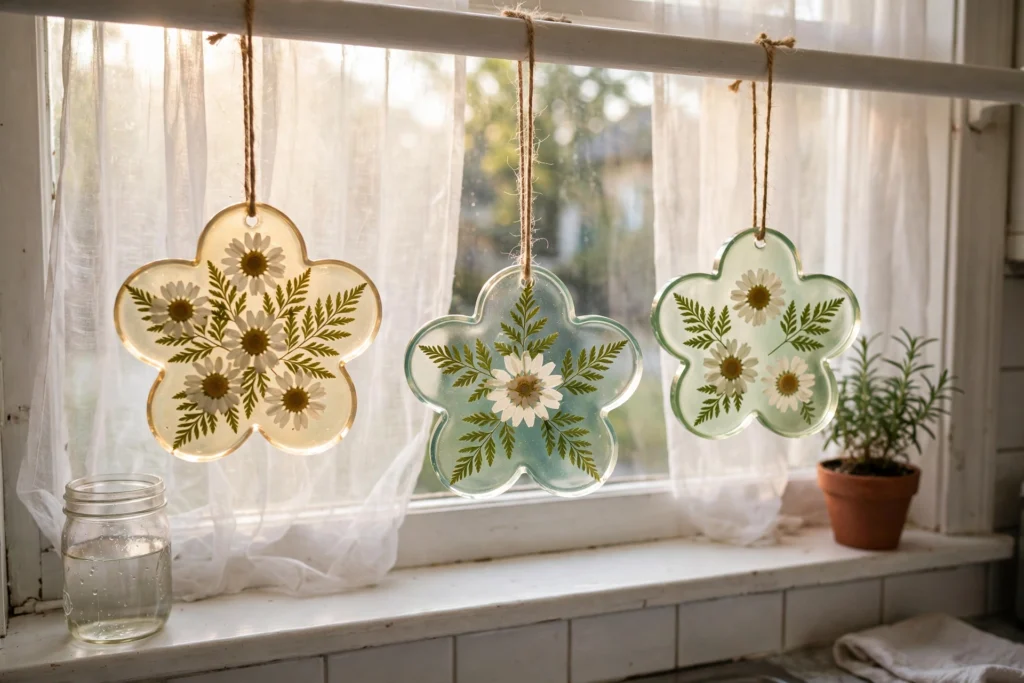
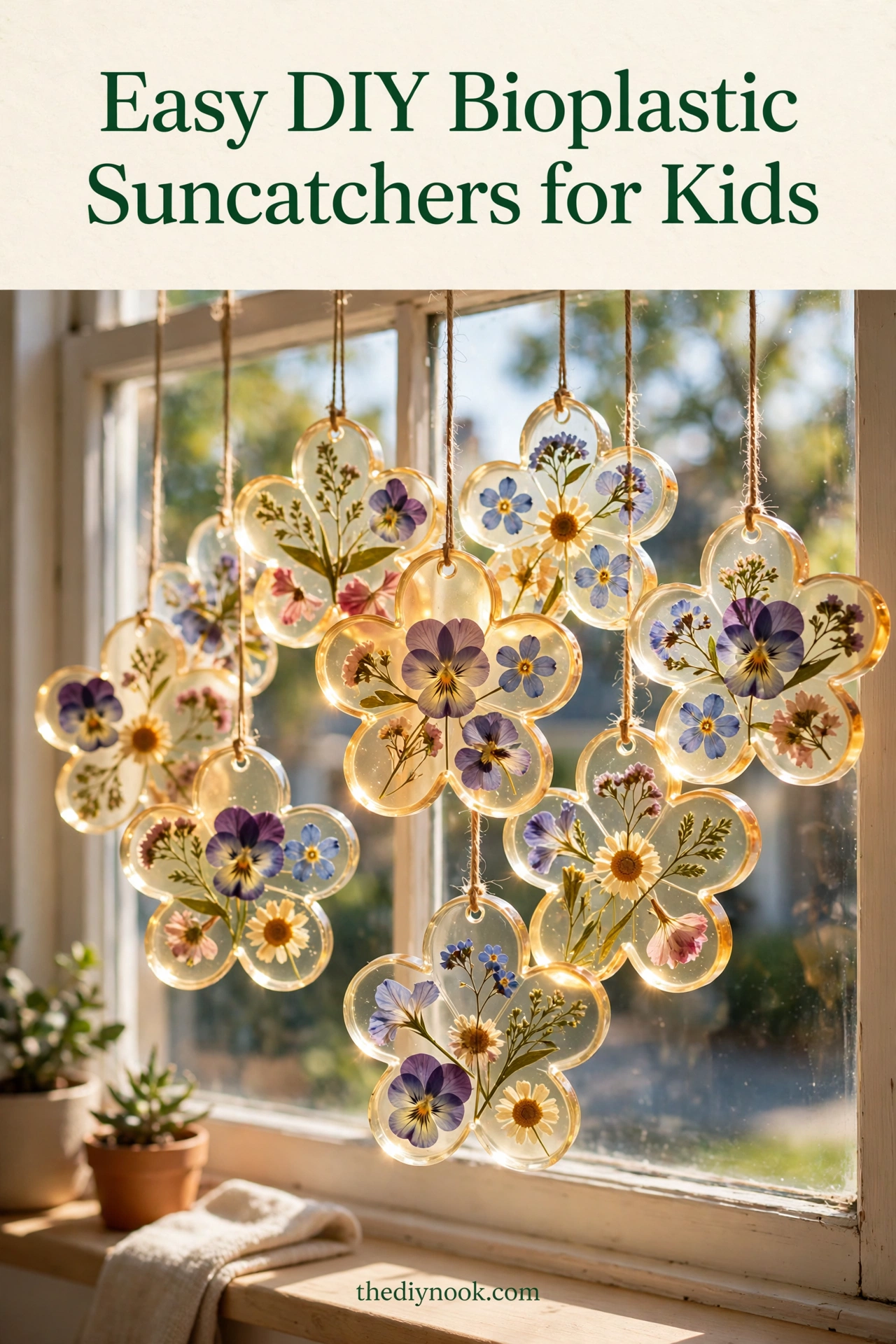
This craft feels like a kitchen science experiment and a nature walk had a baby. You stir up a pot of gelatin, the kids toss in petals and leaves they collected that morning, and a few hours later you peel the most gorgeous translucent suncatchers out of their molds. When the sun hits them, they glow like stained glass — and they're made from stuff that's completely biodegradable.
My kids were fascinated by the whole "liquid turns solid" part. We made ours flower-shaped using silicone molds, and now they hang in our kitchen window where they catch the morning light. Every guest asks about them, and the kids proudly announce they made them from "jelly and flowers," which is honestly pretty accurate.
Why You'll Love Making This
Bioplastic suncatchers are the rare craft that's beautiful, educational, and eco-friendly all at once. Kids learn how gelatin sets, practice patience while waiting, and get to use their nature collections for something real. The materials cost almost nothing — a box of gelatin and whatever petals you can find.
There's also something special about a craft that returns to the earth. These suncatchers slowly biodegrade over time, which makes them a lovely way to talk with kids about taking care of the planet while making something pretty for the window.
Materials You'll Need
- 2 packets of unflavored gelatin powder (or 1 tablespoon bulk gelatin)
- 1 cup of boiling water (grown-up job)
- Small petals, leaves, herbs, or tiny twigs (thin petals let the most light through)
- Plastic lids, silicone molds, or a shallow baking dish (flower-shaped molds are adorable)
- String, twine, or yarn (for hanging)
- Food coloring or natural dyes (optional, a drop goes a long way)
- Glitter or confetti (optional, for sparkle)
- A tray (to catch drips while you work)
Step-by-Step Directions
- Grown-up step: pour the boiling water into a heat-safe mixing bowl, sprinkle in the gelatin, and stir until it's completely dissolved with no grainy bits left.
- Let the gelatin cool for a few minutes until it's warm but not hot — this keeps delicate petals from wilting on contact.
- Kids' turn: stir in the petals, leaves, and any extras. Add a single drop of food coloring for a soft tint, or a pinch of glitter for sparkle.
- Carefully pour the mixture into your lids or molds, about 1/4 inch thick. Work on a tray to catch any spills.
- Let the suncatchers cool and set for several hours, or pop them in the fridge to speed things up.
- Once completely firm, gently peel each suncatcher out of its mold. If it sticks, give it more time.
- Thread twine through the top — poke a small hole with a toothpick while the gelatin is still slightly soft, or simply tie the twine snugly around the piece — and hang in a bright window.
Tips for the Glowliest Results
Thin, flat petals and pressed leaves let the most light through — thick chunky bits block the glow. Let the gelatin cool before adding your treasures so nothing sinks straight to the bottom. And hang them in a bright window with indirect light rather than blazing midday sun, which can soften them.
Fun Variations to Try
Use cookie cutters as molds for stars and hearts, add a drop of lavender essential oil for a scented version, or layer two colors by pouring half, letting it set slightly, then pouring the second color. Tie a finished suncatcher to a gift jar with ribbon for the sweetest handmade present.
FAQs
Are bioplastic suncatchers safe for kids to make?
Yes, with one grown-up job: handling the boiling water. Once the gelatin has cooled to warm, kids can safely stir, pour, and decorate. The ingredients are all non-toxic.
How long do they last?
A few weeks to a couple of months if kept dry and cool. They slowly soften and biodegrade over time — that's the eco-friendly part. Store spares flat in a dry box between sheets of paper.
Will they melt in the sun?
They can soften in very hot, direct sun. A bright window with indirect light is ideal — you still get the gorgeous glow without the droop.
Can I use something other than gelatin?
Gelatin is the simplest option and sets reliably. Starch or agar-based recipes exist but need different ratios and more testing, so I'd stick with gelatin for a first batch.
Can the kids eat them?
They're made from food ingredients, but they're craft supplies, not snacks — the flowers, glitter, and essential oils aren't meant for eating. Keep the tasting to the kitchen and the suncatchers to the window.
Why did my suncatcher turn out cloudy?
Cloudiness usually means the gelatin wasn't fully dissolved — stir longer next time, making sure no grainy bits remain. It can also happen if the mixture was poured too thick.

 DIY Stained Glass Suncatcher Craft for Kids
 DIY Plastic Lid Suncatchers for Kids
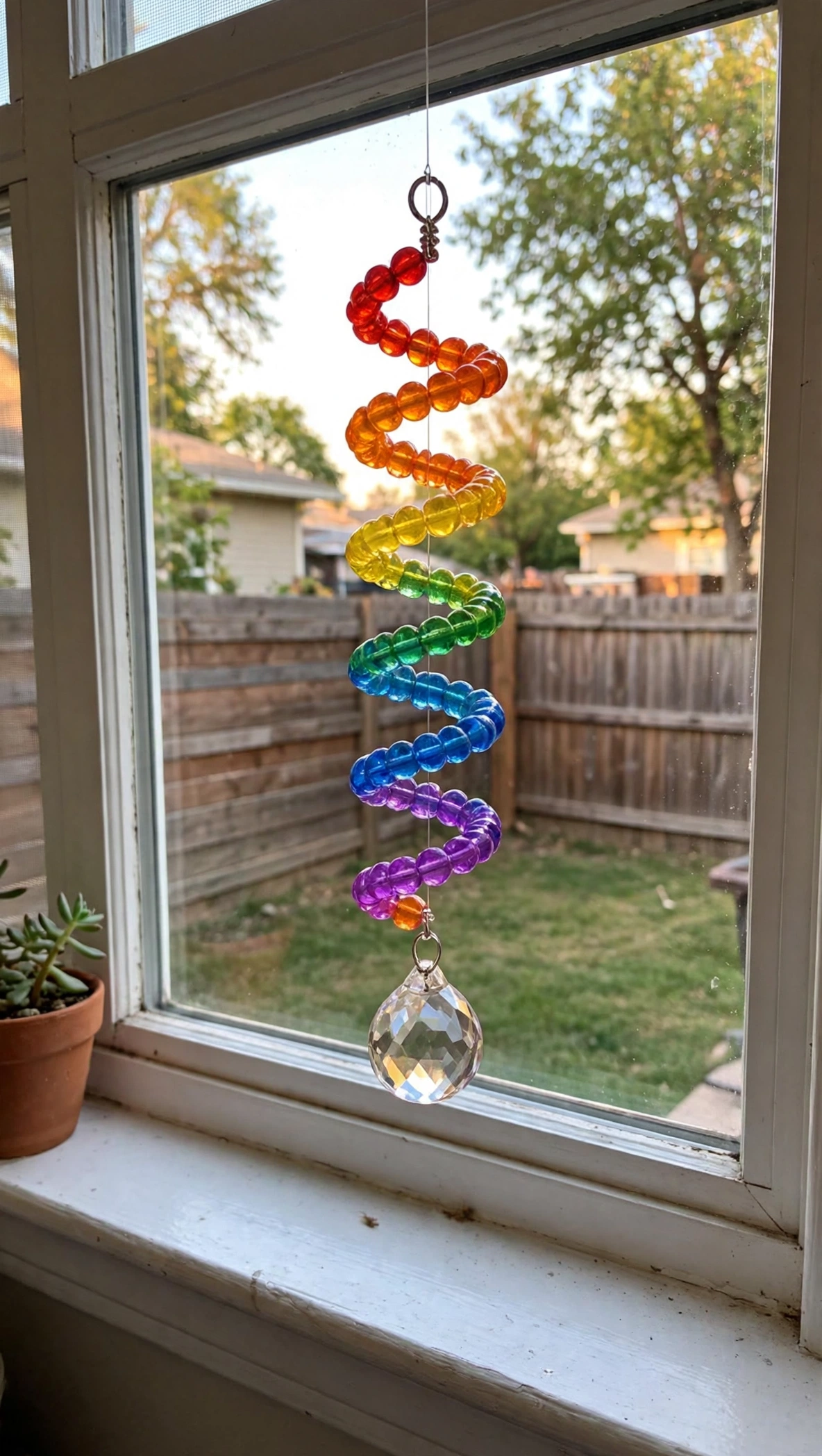 Easy Rainbow Bead Spiral Suncatcher for Kids
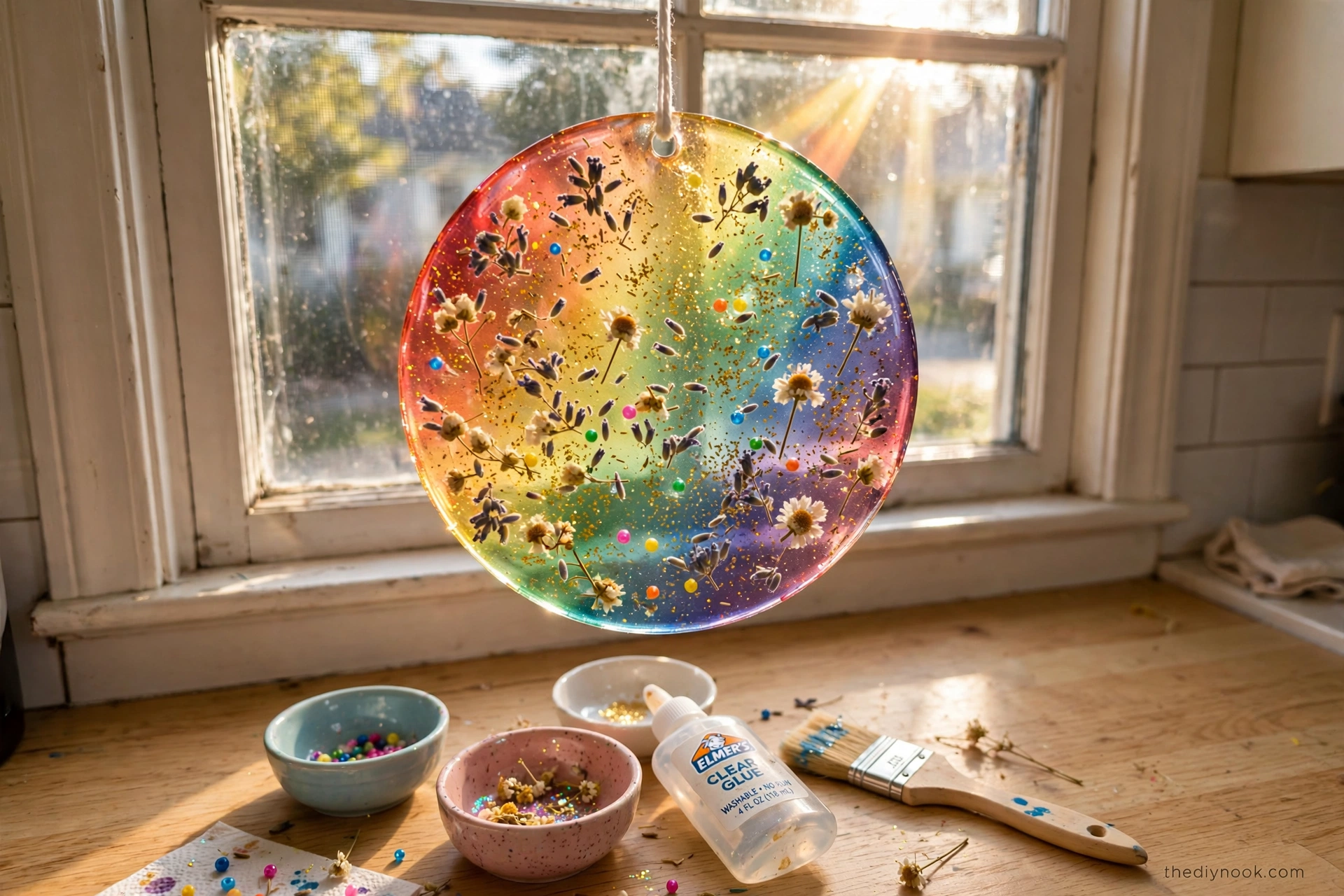 Easy Clear Glue Suncatcher Craft for Kids
Leave a Reply