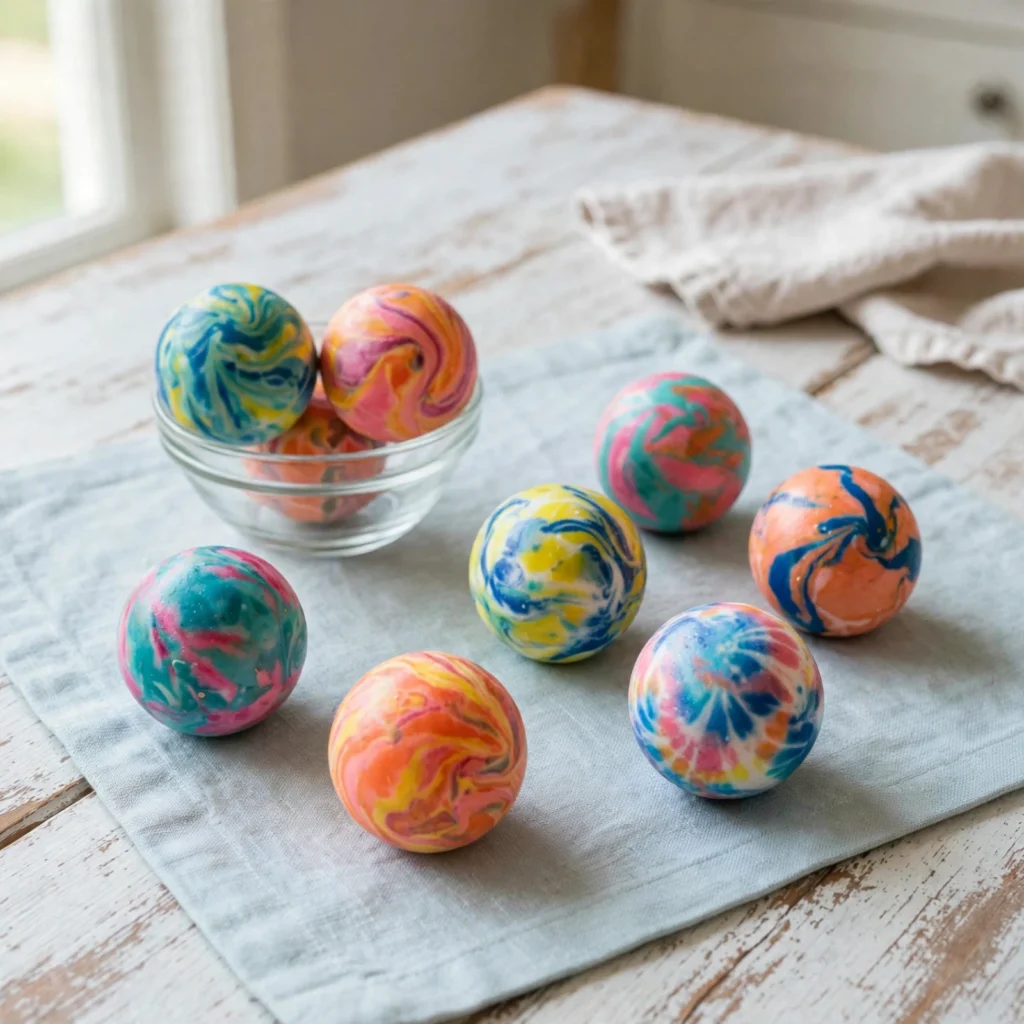
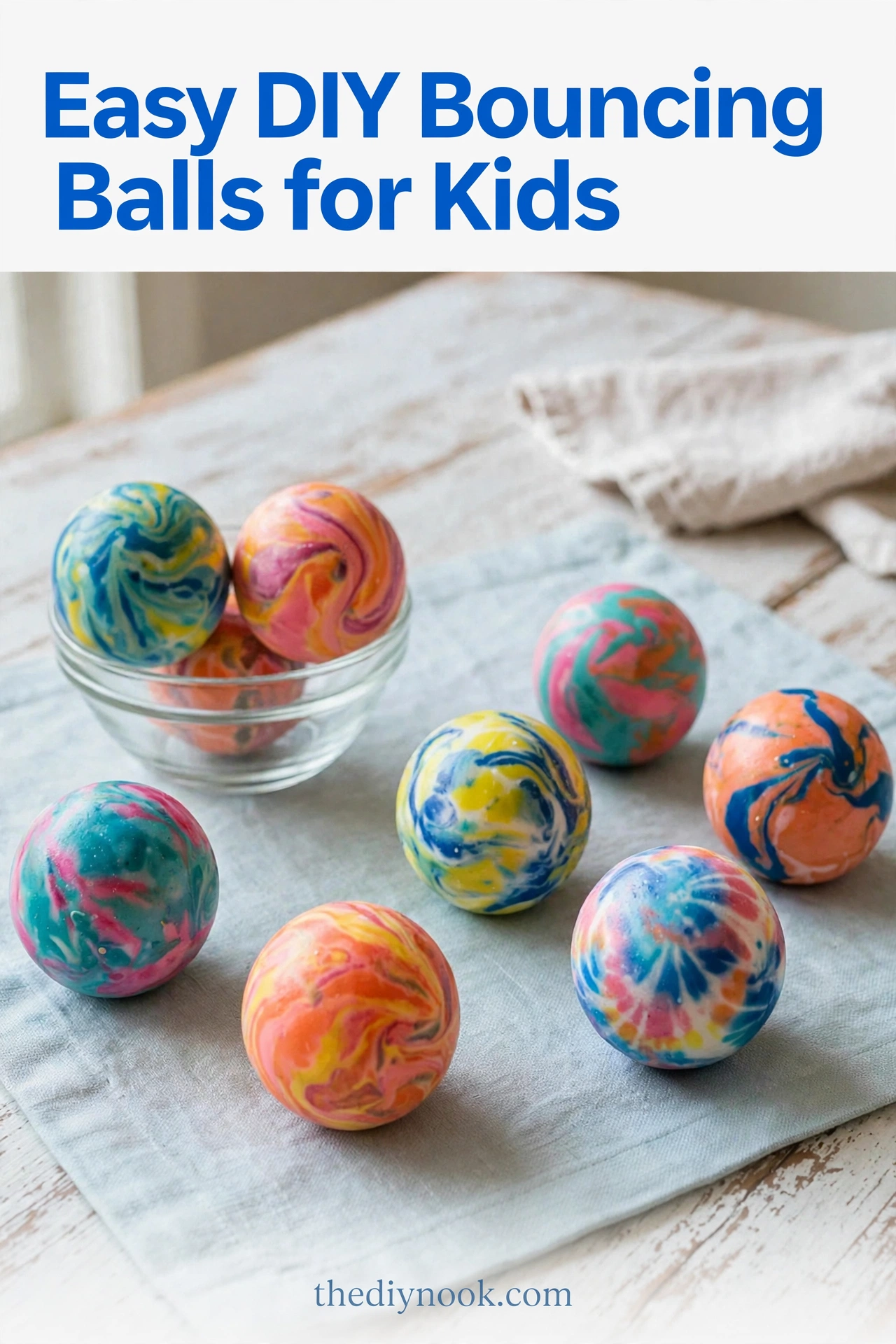
The next time your kids come barreling in full of energy with nothing to do, I have you covered. These homemade bouncing balls take about ten minutes of hands-on time, and my two were completely absorbed — mixing, kneading, and then testing whose ball bounced highest.
The magic is in the science: white glue plus liquid starch forms a stretchy polymer, which is what gives the balls their bounce. So while your kids think they are just making toys, they are secretly doing kitchen chemistry. My kids' favorite kind of learning — the kind that bounces.
Why You'll Love Making This
You probably have everything you need already — white school glue, liquid starch, and a spoonful of cornstarch. No special orders, no craft-store run. It is the perfect low-prep answer to a long afternoon.
The process itself is the fun part. Kids get to squish, knead, and experiment — and if a ball does not bounce quite right, that is not a failure, it is a science experiment. Tweak the recipe, try again, and watch them figure out cause and effect all on their own.
Materials You'll Need
- White school glue: 1 cup
- Liquid starch: 1 cup (find it in the laundry aisle)
- Food coloring: a few drops, optional, for fun colors
- Cornstarch or flour: 1 tablespoon, plus extra if the mix is sticky
- Mixing bowl: any large bowl works
- Spoon or spatula: for stirring
- Measuring cups: to keep the ratios right
- Wax paper or a silicone mat: for resting the balls
Step-by-Step Directions
- Measure and pour 1 cup of white school glue into a mixing bowl.
- Add 1 cup of liquid starch and stir thoroughly until the mixture thickens — you will feel it change from liquid to something much more solid.
- If you want color, add a few drops of food coloring now and mix until the shade is even.
- Sprinkle in 1 tablespoon of cornstarch or flour and stir carefully. You will notice the stickiness start to ease up.
- Knead the mixture with your hands, shaping it into a ball. Keep kneading until it feels firm but still soft — if it is too sticky, work in a little more cornstarch.
- Set the ball on wax paper or a silicone mat and let it rest for about 1 hour. This helps it hold its shape and boosts the bounce.
- Give it a gentle bounce and watch it fly. Then let the kids take over — testing bounce height is the best part.
Troubleshooting Tips
Too sticky? Knead in more cornstarch or flour a little at a time. Not bouncing well? The glue-to-starch ratio is probably off — this project is forgiving, so adjust and experiment until you get the springiness you want. And do not worry about the mess: everything is water-soluble and washes off with soap and water.
Fun Variations to Try
Mix in some non-toxic glitter for sparkly balls, or add a drop of vanilla extract for a sweet-smelling version. You can also go seasonal — red and green for Christmas, pastels for spring. My kids each made their own signature color, and now we have a whole collection in a jar on the shelf.
FAQs
Will this make a big mess in my kitchen?
Honestly, not much. The ingredients are water-soluble, so sticky fingers and drips clean up with a damp cloth and soap and water. Just roll up sleeves first.
What age is this good for?
Kids around four and up love this with a grown-up nearby to supervise the mixing and kneading. Younger kids can absolutely join in with extra hands-on help.
How do we store the balls?
Pop them in a sealable plastic bag or an airtight container. Kept dry, they stay bouncy for weeks.
What if our balls do not bounce?
Totally normal on a first try. Knead in a bit more cornstarch if they are sticky, or tweak the glue-to-starch amounts — experimenting is part of the science.
Can I substitute the liquid starch?
Liquid starch is really the key ingredient — it is what reacts with the glue to form the bouncy polymer. You can experiment with different glues, but stick with real liquid starch for the best bounce.

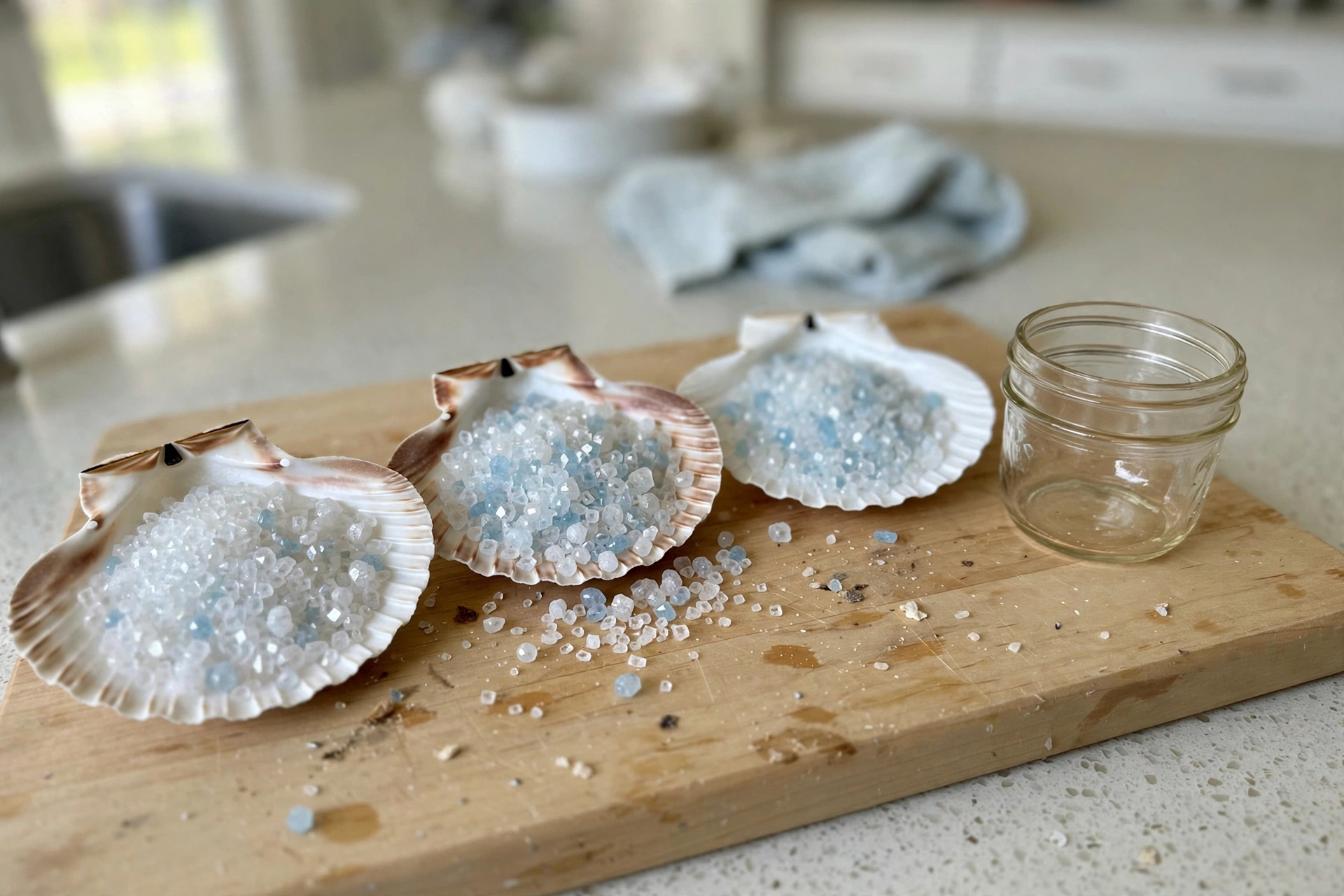 Easy Seashell Crystal Geodes for Kids
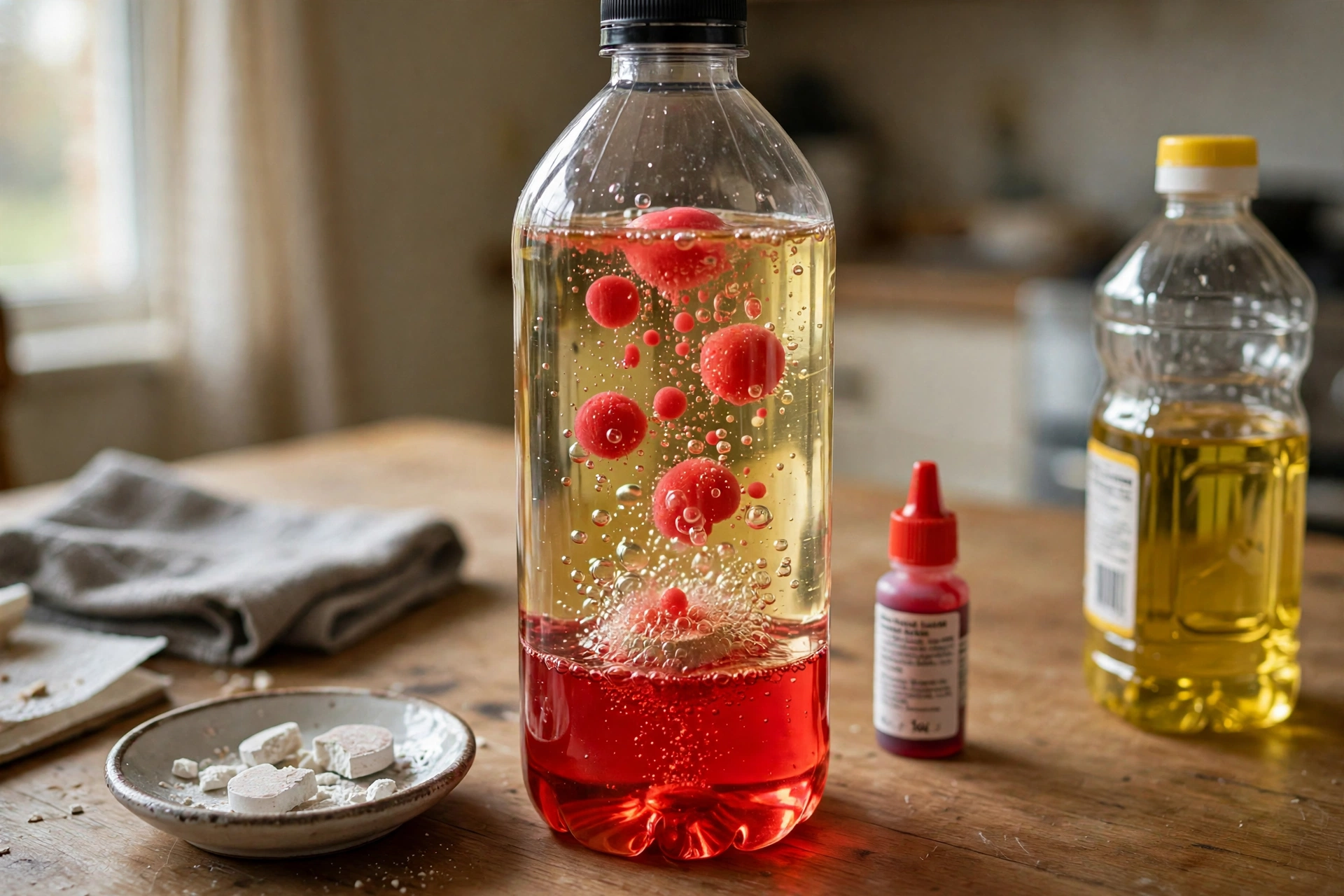 DIY Lava Lamp with Alka-Seltzer for Kids
 Easy Crystal Growing Experiment for Kids
 Easy Glowing Rainbow Thundercloud in a Jar for Kids
Leave a Reply