
My kids are obsessed with anything that catches the light, so when I stumbled on the idea of melting bioplastic into suncatchers, I knew we had to try it. We cut out hearts, melted them in the oven, tucked in some pressed flowers while they were still soft, and now our kitchen window throws little rainbows across the floor every sunny morning. It's genuinely magical, and way easier than it looks.
This is a perfect "slow Saturday" craft — the melting step needs a grown-up, but the cutting, pressing, and decorating are all kid territory.
Why You'll Love Making This
The wow factor here is off the charts for the amount of effort involved. You cut shapes, melt them for a few minutes, and suddenly you have translucent, jewel-like suncatchers that look like something from a fancy boutique. My kids ran straight to the window to hang theirs and then just stood there watching the colors.
It's also a wonderful excuse to get outside first. We did a little flower-picking walk before our crafting session, pressing the flowers in a heavy book. Turning something you found on a walk into a window decoration that lasts for months feels special in a way store-bought crafts never quite manage.
Materials You'll Need
- Translucent bioplastic sheets or beads (from a craft store)
- Scissors (for cutting shapes)
- Baking sheet and parchment paper
- An oven (adult handles this step)
- Pressed flowers, dried leaves, or small dried flower petals
- Small hole punch or skewer (for making a hanging hole)
- String, ribbon, or thin wire (for hanging)
- Tweezers (optional, for placing tiny flowers precisely)
Step-by-Step Directions
- Preheat your oven to the low temperature recommended on your bioplastic packaging. Line a baking sheet with parchment paper.
- Cut the bioplastic sheets into your shapes — hearts, flowers, leaves, or fun abstract blobs. My kids made hearts and "spiky suns."
- Arrange the cut shapes on the parchment-lined baking sheet with a little space between them.
- Place the sheet in the oven and watch closely. The bioplastic will soften and melt flat after a few minutes — pull it out as soon as the shapes look smooth and glossy.
- While the pieces are still warm and pliable, press your dried flowers or petals gently onto the surface. A tweezer helps with the tiny ones. This is the delicate, lovely part — let the kids arrange them like a little garden.
- Poke a small hole near the top of each piece with a skewer while it's still soft.
- Let everything cool completely on the sheet, about 15 to 20 minutes. The pieces will firm up as they cool.
- Thread string or ribbon through the holes and hang them in a sunny window. Then stand back and watch your kids' faces.
Tips for Beautiful Results
Watch the oven like a hawk — bioplastic goes from perfect to over-melted fast, and ovens vary. If your first batch melts a little too much, lower the heat a notch. Also, press flowers while the plastic is warm but not scorching; too hot and the petals brown, too cool and they won't stick. I found a sweet spot of about one minute after pulling the tray out.
Fun Variations to Try
Try layering two colors of bioplastic for a swirly marbled effect, or use cookie cutters to trace stars and animals. For a seasonal twist, press in autumn leaves for fall windows and dried lavender for spring. My daughter also loves adding a drop of glitter before the second melt layer — sparkle changes everything.

FAQs
What exactly is bioplastic, and where do I buy it?
Bioplastic for crafts is a plant-based plastic (usually corn-starch based) sold as translucent sheets or beads in craft stores and online. Look for ones labeled "translucent" or "light-transmitting" — they melt in a regular oven and are much safer for a kids' craft than resin.
Is the melting step safe around kids?
The melting needs an adult, full stop. The pieces come out hot, so grown-ups handle the oven, the hot tray, and the skewer holes. Once the pieces are cool, kids can do everything else — cutting shapes, pressing flowers, and hanging them up.
Will the suncatchers fade in the sun?
Eventually, yes — strong direct sun will soften the colors over several months, and intense heat can warp them. A bright but not scorching window is the sweet spot. If they fade, the fun part is you can remelt and redecorate them.
Can I use real flowers from my yard?
Absolutely — that's the best part. Press them between heavy books for a few days first so they're flat and dry. Tiny wildflowers, petals, and small leaves work beautifully; thick flowers like roses are too chunky.
My bioplastic didn't melt — what went wrong?
Most likely the oven wasn't hot enough, or your sheets are a thicker variety that needs a bit more heat. Bump the temperature up slightly and check every minute. If it browned instead of melting clear, the heat was too high.

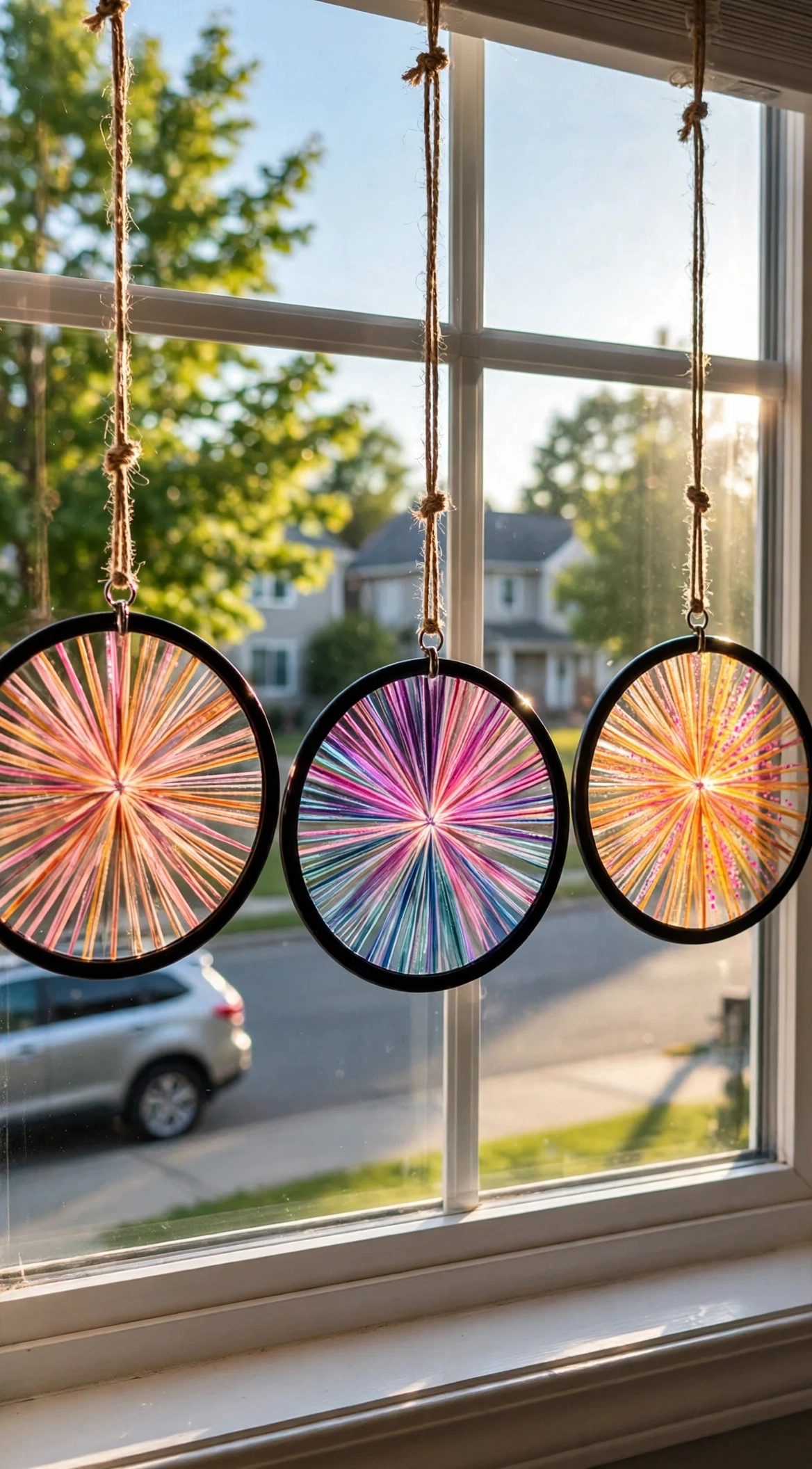 DIY Stained Glass Suncatcher Craft for Kids
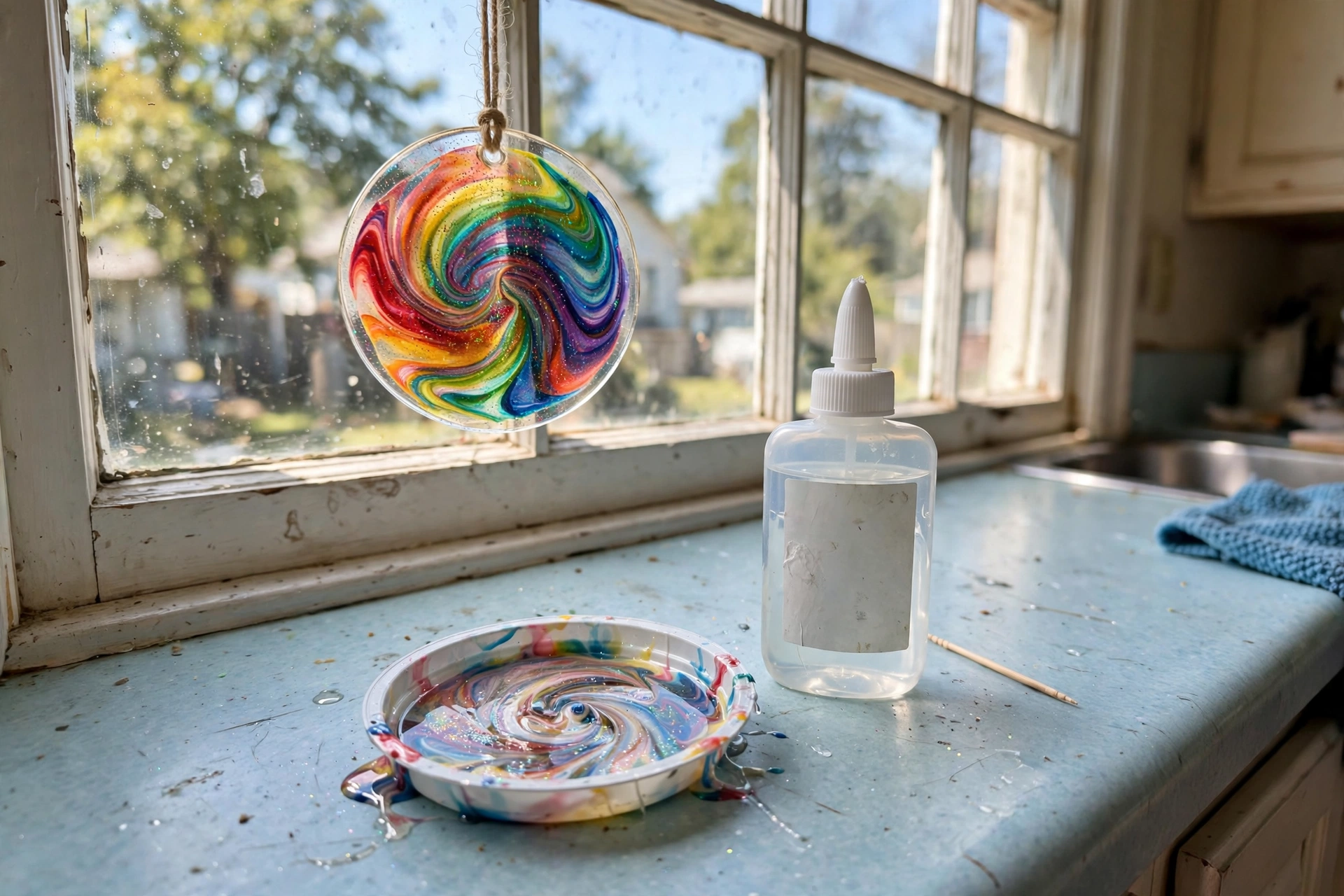 DIY Plastic Lid Suncatchers for Kids
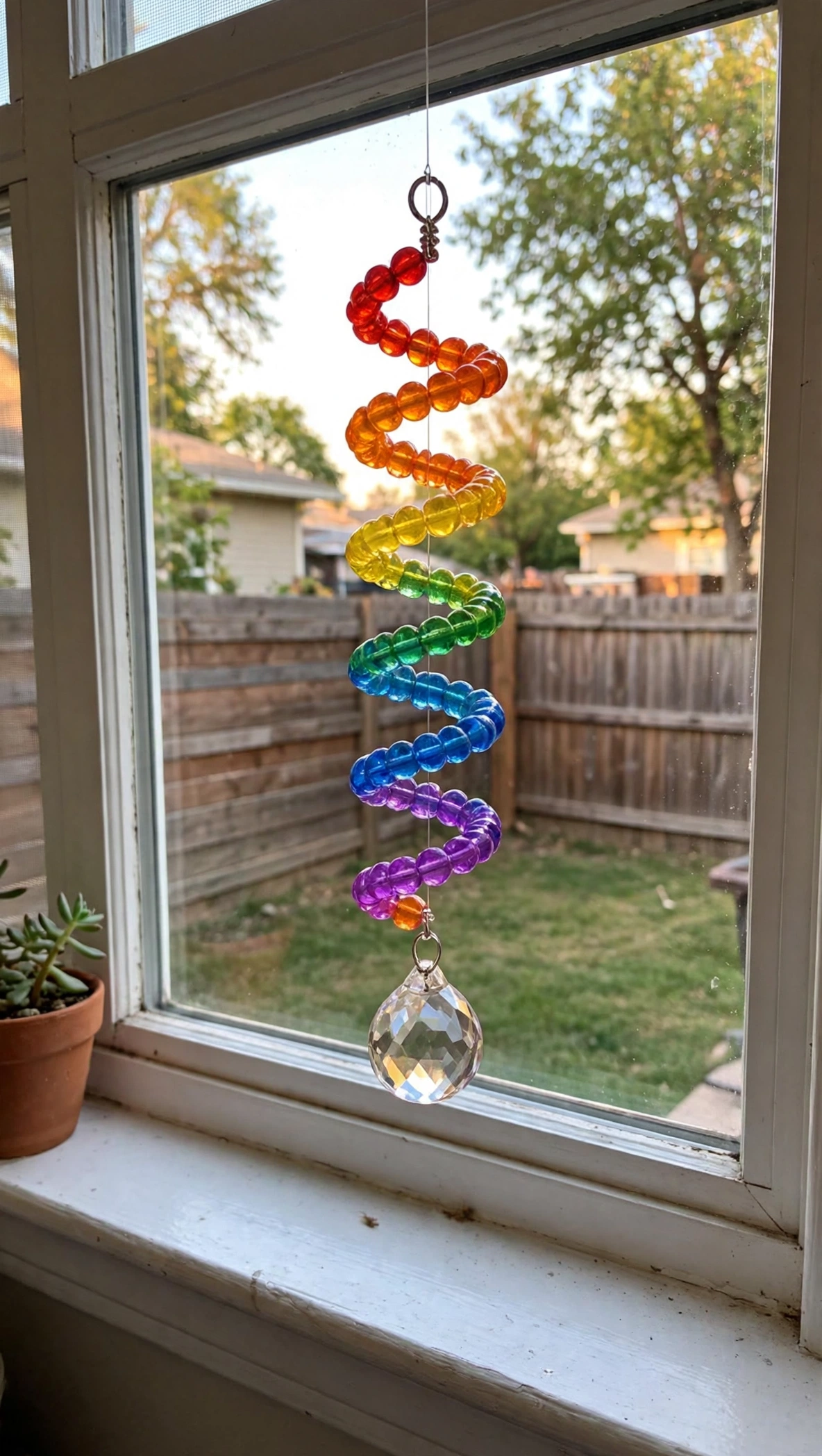 Easy Rainbow Bead Spiral Suncatcher for Kids
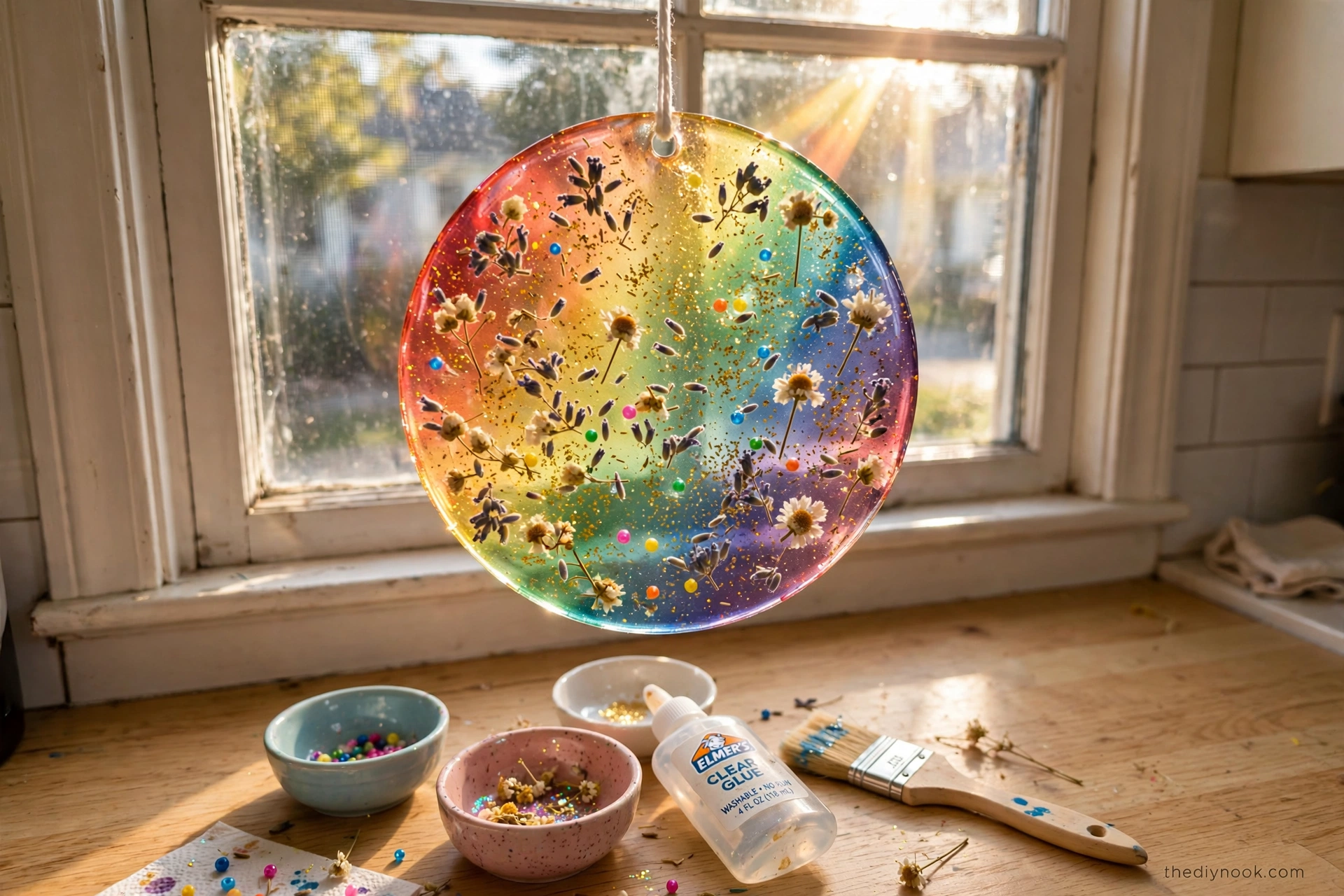 Easy Clear Glue Suncatcher Craft for Kids
Leave a Reply